

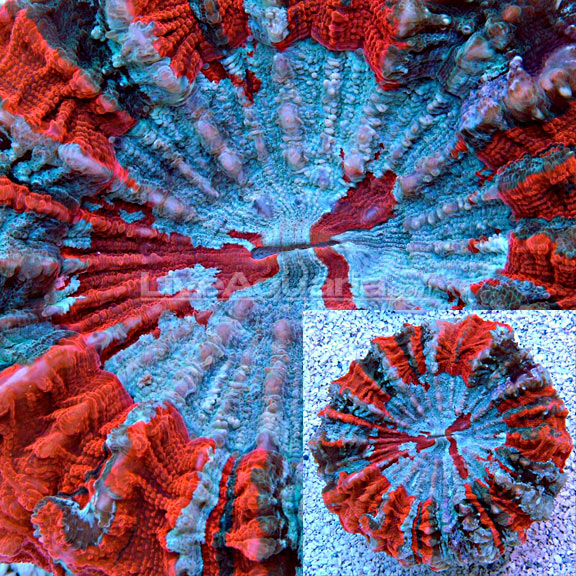
This thing was constructed on June 4, 2009, and it was categorized as Reef Aquarium.
You can follow comments through the RSS 2.0 feed. You can leave a comment, or trackback.

acantho

You know that coral we’ve been calling Scolymia for all these years? Well it turns out it’s not a Scolymia at all but a member of it’s own genus, Acanthophyllia. There has been confusion surrounding the true taxonomic identity of this coral for years and now the U.S. Fish and Wildlife Service is stepping in to help us make the decision. The meat coral aka button coral aka Scolymia coral will now be officially recognized as Acanthophyllia deshayesiana but since there are no CITES permits for this new designation, there will be a temporary suspension on the importation of this species until new permits can be issued with the proper designation. As far as we know, CORALidea is the only coral identification guide to already list Acanthophyllia as such but it will be a while before other in-print publications will have a chance to catch up. So tell your neighbours, tell your LFS, Indo-Pacific Scolymia is now Acanthophyllia deshayesiana. We’ll be keeping an eye on the local stock of Acanthophyllia to see how it is affected and we’ll let you know when the imports of the meat coral resume.


Related Posts

This thing has 3 Comments

  1. jim walter
    Posted June 4, 2009 at 8:31 pm | Permalink

    They have been messing with the classification of these brain corals for 40 years. They might change it back to what it used to be 20 years from now.

  2. Posted June 5, 2009 at 12:16 am | Permalink

    LOL I wonder if the prices of these will skyrocket as the Maxea’s did.

  3. Mike G
    Posted June 8, 2009 at 11:15 am | Permalink

    Why would a name change have any effect on importation? CITES does not require identification of corals to species of even genus. Where such IDs are required by importing or exporting countried it has been the norm since the beginning of the hobby to list corals under (often intentionally) incorrect names that are almost sure to go unnoticed by overworked inspectors who are not trained in coral taxonomy.

Post a Comment

Your email is never published nor shared. Required fields are marked *

*
*